

According to Oxford Advanced Learner’s Dictionary, stress is “Pressure, tension or worry resulting from problems in one’s life”. Richard Lazarus and Susan Folkman in 1984, defined STRESS as “a condition or feeling that a person experiences when he perceives that the demands exceed the personal and social resources the individual is able to mobilize.”
The World Health Organization (WHO) termed stress the “health epidemic of the 21st century” that causes significant burdens at all levels of society. WHO has concluded that stress-causing conditions are common, and may contribute to over 50% of physician visits around the world.
Positive and Negative Stress
Generally, stress can be POSITIVE or NEGATIVE. It can also be ACUTE or CHRONIC. POSITIVE stress is called EUSTRESS, while NEGATIVE stress is call DISTRESS. In small quantities stress is good, it can motivate you and help you become more productive.
Anything that causes us to have a physical or emotional reaction can create stress, hence childbirth, marriage, employment, admission into school/institution, etc can all lead to positive stress.
On the other hand, Negative stress affects our mental and physical well-being, and our relationships. It feels unpleasant and can be harmful. Situations that can lead to negative stress include bereavement, loss of job, etc
Acute stress is usually of sudden onset. Deals with the pressures of the near future or dealing with the very recent past. It can be negative like the one arising from a sudden disaster, or positive like seen in sporting events.
Acute stress is a short-term stress and usually would not have enough time to do the chronic damage seen in cases of long-term stress. Chronic stress on the other hand, continues over a longer period of time.
Certain situations in the family and workplace can lead to the development of chronic stress. Chronic stress is largely negative and can lead to significant mental and physical health challenge.
STRESSORS are things, situations or events that predispose one to developing stress. Causes of negative stress can be broadly classified as;
- Physical (Noise, Temperature, Radiation, etc)
- Biological (Infections, allergens, etc)
- Chemical (Lead poisoning, Industrial emissions, etc)
- Mechanical (Factory machines, etc)
- Psychosocial/Socioeconomic (failed relationships, poverty, etc)
Negative stressors can also be classified as INTRINSIC or EXTRINSIC. Intrinsic causes arise from within, such as feelings, thoughts, and habitual behaviours.
Some examples of Intrinsic stressors are;
- Fears (phobias)
- Worrying about future events
- Unrealistic expectations
- Over scheduling
- Failing to plan
- Procrastination.
Extrinsic stressors are legion, and are those classified as physical, biological, chemical, mechanical, and socioeconomic. Broadly, stress can arise from the following sources;
- Workplace (occupational)
- Family
- Community/School/Institution
Further examples of Extrinsic stressors are;
- Bereavement
- Unemployment/Job loss
- Peer pressure
- Unproductive and lengthy meetings
- Domestic disharmony
- Money
Symptoms of Stress
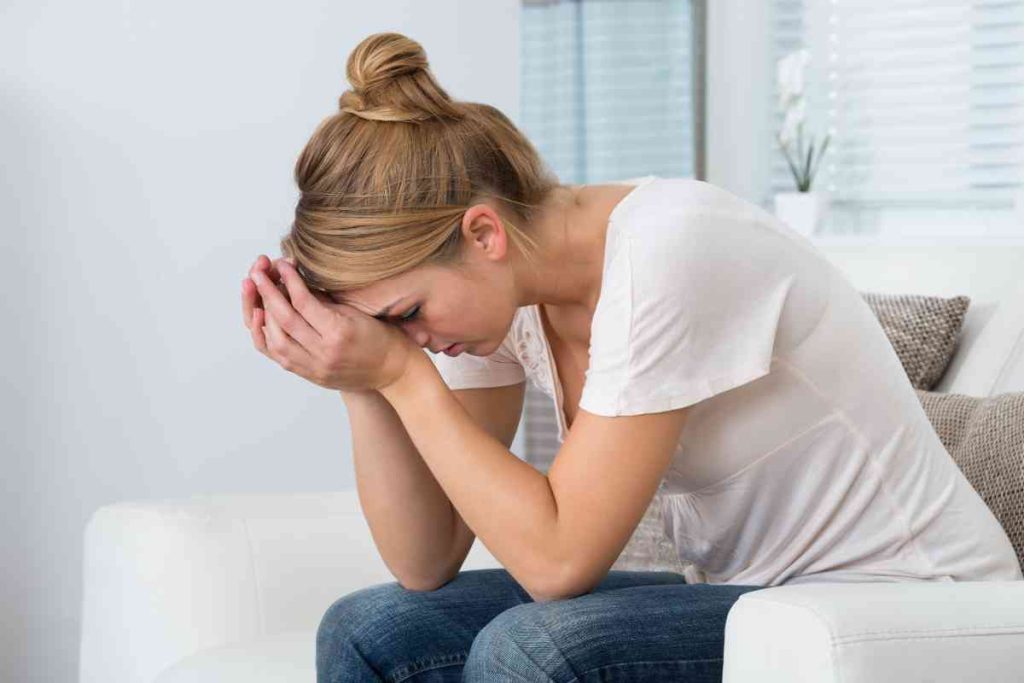
Symptoms of stress are numerous, with American Institute of Stress listing up to fifty.1 Some of these symptoms can however be grouped as follows;
- Physical symptoms (headache, shaky hands, fatigue, inability to sleep, heartburn, crawling sensations, diarrhoea/constipation, dizziness, excessive sweating, loss of sex drive, frequent cold, frequent urination/stooling, restlessness,
- Emotional symptoms (moodiness, irritable, hostile, confused, worried, fearful, nervous, lack of concentration, sense of loneliness, unhappiness, depression, anxiety, etc.
- Behavioural symptoms (poor or exaggerated appetite, decreased sex drive, loneliness, alcohol or drug abuse, nail biting, pacing up and down, etc
Key Health Effects of stress include;
- Mental illnesses (Both psychosis and neuroses)
- Peptic Ulcer Diseases
- High Blood Pressure (Hypertension)
- Severe bronchial asthma attack
- Stroke (Cardiovascular Accident)
- Menstrual disorders
- Impotence
- Skin infections (As a result of poor hygiene)
- Disturbing muscle pains (Myalgia)
- Mouth ulcers and excessive dryness
- Irritable bowel syndrome
- Heart attack
- Psychosomatic disorder
How to Prevent Stress
Stress can be prevented by;
- Avoiding stressors.
- Other practical steps that can be taken to prevent stress include;
- Planning major lifestyle changes
- Realization of limitations (learn how to say NO)
- Learn to prioritize
- Improve on your interpersonal communication skill
- Develop a positive attitude
- Reward yourself for successes and progress
- Appropriate exercises
- Eating well (regular and balanced diet)
- Sleeping well
- Meditate and listen to good music
- Deliberately reduce noise level around you if possible
- Avoid people who are “stress carriers”
- Avoid people who have negative attitude to everything
- Aspire to be a GOOD MAN
- Aspire to be a good listener
- Avoid being judgemental
- Avoid cigarette smoking
- Avoid excessive alcohol consumption
- Find a confidant
- PRAY! Strive for a good relationship with GOD.
How to Manage Stress
Management generally can be defined as “the purposeful, efficient and effective use of resources to achieve set objective(s)”. Specifically, stress management is about learning how to develop skills which enhance the body’s adjustment in times of stress, so as to maintain proper body function.
The effect of stress on the body is usually mediated through the “fight or flight” response, which is a set of involuntary physiological and biochemical changes in the body, that prepares one to deal with threats or danger.
The same mechanism that turned on the stress response can turn it off. The turn off mechanism is called the RELAXATION RESPONSE. As soon as the threat or danger is over, the fight or flight mechanism burns out and the body system gradually normalizes.
Eliciting the relaxation response: Two essential steps are involved;
- Repetition of a word, sound, phrase, prayer or muscular activity for ten to twenty minutes
- Passive disregard of every day thoughts that inevitably come to mind, and the return to your repetition
Other techniques for eliciting the relaxation response include;
- Mindfulness meditation (focus on the present)
- Progressive muscle relaxation
- Deep breathing
- Imagery (day dreaming/Fantasy)
- Body massage
Conclusion
Stress can be caused by both positive and negative events in life. It is part of every one’s life. Can lead to serious illnesses such as High Blood Pressure and mental illness if not properly managed.
Stress can be prevented by adopting proper lifestyle and attitude, and various techniques are available for managing stress.
REFERENCES
- American Institute of Stress. Stress effects. 2017. Availiable from: https://www.stress.org/stress-effects (Accessed, 16/12/2023)


