

Breast cancer occurs when there is an abnormal and uncontrolled growth of the cells of the breast. This abnormal growth can originate from any tissue of the breast which are; the connective tissue, the lobules and the ducts.
The connective tissue is made of fatty and fibrous tissue, the lobules consist of glands that produce milk, while the ducts are the channels through which milk is transported to the nipples. The lobules and the ducts make up the glandular tissue of the breast.1
This cancer occurs predominantly in women, but can also rarely affect men. Studies in the United States of America reveal that out of every one hundred breast cancer diagnosis made, one is a male.1 It is important to note that not all mass or lump found in the breast is cancerous.2
Facts About Breast Cancer
Breast cancer is the world’s most prevalent cancer, with about 7.8million women alive by the end of 2020, who were diagnosed with the cancer in the last five years.3 In 2020 alone, about 2.6million new cases were diagnosed, making it the cancer with the highest incidence rate in the world.4
It has been documented that the incidence of breast cancer is higher in developed, than low and middle-income countries; though survival rate is also higher in those high-income countries. This can be attributed to the fact that life expectancy is higher in the high-income countries, and that incidence of breast cancer increases with age.
Over a third of breast cancer cases in the United Kingdom occur among women aged 70 years and above; while in low and middle-income countries, over half of all breast cancer cases occur in women under the age of 50 years.5 Incidence rate and death associated with breast cancer have more than doubled in 60/102 countries.6
Chances of surviving breast cancer increases if the disease is detected early, before spreading to other parts of the body. Breast cancer is completely curable if found early.
See Also: Prostate Cancer Symptoms, Diagnosis, and Prevention
Risk Factors of Breast Cancer1,7-12
These are behaviours, conditions or situations that enhance someone’s chances of being afflicted with breast cancer. Conditions or situations that the individual is not empowered to avoid, are known as non-modifiable risk factors; while those that the individual can take actions such as behaviour change or lifestyle modification to avoid are called modifiable risk factors.
Non-Modifiable Risk Factors
These include;
1. Gender
Breast cancer predominantly affects females, though very rarely it can also occur in males. Every female ought to be aware of this, and get screened for the disease.
2. Age
Advancing age increases one’s chances of getting breast cancer disease. The peak age is in the fifth decade of life, but 90% of cases are found in women aged 40 years and above. It occurs less in women aged 30 years and below, but however runs a more aggressive course in this age group.
3. Family history
Someone whose mother, sisters or close relative had breast or ovarian cancer is at a higher risk of developing the disease. Rare history of a male relative that had breast cancer is also a risk factor.
There might be some genetic factors that give rise to this. It is estimated that 5 – 10% of breast cancers are linked to positive family history.
4. Previous history of breast or ovarian cancer, or certain non-cancerous breast diseases
Women, who have had cancer in one breast or ovarian cancer, are at risk of developing cancer in the other breast; and so, should continue recommended screening for cancer in the healthy breast.
Atypical hyperplasia is an example of non-cancerous condition that predisposes one to developing breast cancer.
5. Reproductive history
Long reproductive span from menarche (first menstrual flow) to menopause (cessation of menstrual flow), is a risk factor for breast cancer. Women who commenced menstrual period before the age of 12 years, and did not cease monthly menstruation until after age 55 years are at greater risk of developing breast cancer.
This could be as a result of extended exposure to estrogen female hormone. Having first pregnancy after 30 years of age, and never having given birth, are also risk factors for breast cancer.
6. Previous radiation therapy
Women who had a disease such as Hodgkin’s lymphoma, which was treated with radiation to the breast or chest wall; especially before the age of 30 years, are at higher risk of developing breast cancer later in life.
7. Exposure to the drug, Diethylstilbestrol in the mother’s womb
The use of this drug was commenced in the United States of America in 1938, and discontinued in 1971. Some low and middle-income countries however continued using the drug until much later years.
It was used to prevent abortion in pregnant women. Women, whose mothers used this drug to stop abortion when they were pregnant with them, run the risk of developing breast and ovarian cancers.
8. Density of breast tissue
Fibrous, glandular, and fatty tissues make up the breast. The content of these different types of tissue that make up the breast, determine the density of the breast.
The density of the breast can be classified as high density, low density and fatty breast, depending on the content if the tissues that make up the breast. Dense breast contains little fatty tissue, and is more prone to developing cancer
Modifiable Risk Factors
These factors are;
1. Unhealthy diet
Diet rich in saturated fat such as red meat could play a role in the development of breast cancer. On the other hand, diet rich in vegetables, fruits, legume, cereals and whole grain is good for preventing breast cancer.
2. Obesity
The role of obesity in enhancing development of breast cancer is believed to be related to fat cells contributing to the increase in circulating estrogen in the body.
Estrogen precursors in the fat cells are converted into estrogen, thereby increasing the quantity of estrogen in the body; which predisposes the individual to developing cancer of the breast.
3. Tobacco smoking
Tobacco smoke is known to contain some breast tissue carcinogens; hence cigarette smoking is a risk factor for developing breast cancer.
4. Excessive Alcohol consumption
It has been suggested by experts that significantly reducing, or stopping the use of alcohol can prevent up to 14% of breast cancer cases.
5. Hormone replacement therapy
Women who use combination drug containing estrogen and progesterone, for the treatment of postmenopausal symptoms are at higher risk of developing breast cancer
6. Long use of oral contraceptive pills
Oral contraceptive pills commonly contain estrogen and progesterone. Using the pills for long period, is a risk factor for developing cancer of the breast.
7. Physical inactivity
Regular exercises are beneficial for preventing breast cancer. In addition to other possible ways of protecting individuals against breast cancer, regular exercises help to burn excessive body fat, thereby preventing obesity; and ultimately breast cancer.
Symptoms of Breast Cancer1,3,7-10

There are different initial indications that the breast might be unhealthy. Common symptoms that people complain about could be grouped into early and late symptoms. They include;
Early symptoms
- Lump in the breast or armpit: This is a very key symptom of breast cancer. Many breast lumps however turnout to be benign fibroadenoma of the breast. It is of utmost importance that all breast lump or mass are removed and sent for histological examination, to determine whether it is benign or malignant.
- Nipple discharge, other than milk: The nipple discharge may be bloody, or just watery. It is important to conduct further investigations on any woman who persistently is having non-milk nipple discharge, especially if it is bloody. It could be an early symptom of breast cancer.
- Nipple retraction: This is pulling of the nipple inwards. The nipple of the affected breast gradually starts getting sunken or inverted inwards. It may not be painful at the early stage.
- Thickening or redness of the skin covering the breast: This is usually more obvious in the light-skinned women. This may also be associated with flaking, peeling, or scaling of the skin of the breast.
- Pitting of the skin covering the breast, giving the appearance of orange skin (Peau d’orange): In some cases, persistent pitting of a portion of the skin covering the breast, in the absence of an inflammatory process, might just be the only initial symptom that all is not well with the breast.
- Dimpling of breast skin: A portion of the skin of the breast could cave in slightly, forming a dimple. This breast skin change in any woman requires investigation to establish the cause. It should never be overlooked.
- Persistent redness or flaky skin around the nipple of the breast: A form of breast cancer, known as Paget’s disease usually affects the nipple. Redness or flaking of the skin around the nipple should be investigated.
Late symptoms
- Unusual change in the size, shape or consistency of the breast: A portion of the breast might start getting progressively firmer in consistency, or the breast might be getting bigger in size, or obviously changing shape. The firm consistency could gradually become hard. All these could point to advanced breast cancer disease.
- Persistent pain in any part of the breast: In the absence of trauma, infection or an inflammatory process, this could be an indication that the woman has advanced breast cancer disease.
- Weight loss: This is a symptom of most cancer diseases. The breasts ought to be examined in cases of unexplained weight loss, and further investigated, if suspicious signs are found.
See Also: Cervical Cancer (Symptoms, Types, Diagnosis, Prevention, Treatment)
Types of Breast Cancer1,2,8,9,10,13,14
The specific type of breast tissue cells from which the cancer is originating, is one of the criteria used in deciding the type of breast cancer the patient has. Types of proteins or genes that the cancer might make are also used in classifying breast cancer. Common types of breast cancer are;
1. Ductal carcinoma of the breast
This type starts from the ducts of the breast, which are channels through which milk is transported. At the initial stage, it could be carcinoma-in-situ, and later grow, becoming invasive and infiltrating surrounding tissue. Invasive ductal carcinoma is the most common type of breast cancer, accounting for about 80% of cases.
2. Lobular carcinoma of the breast
This cancer originates from the lobules of the breast where breast milk is produced. It could also start as a localized cancer growth, and later become invasive, and spread into surrounding tissues. Invasive lobular carcinoma accounts for about 10 – 15% of breast cancers cases.
Some rare forms of breast cancer are;
- Paget’s disease of the breast: It starts from the nipple of the breast, and the skin around it (areola).
- Medullary carcinoma: This breast cancer is rare and commoner in young women. Positive family history is a significant risk factor. The diagnosis is made through histological examination of the specimen. The cancer cells appear to be bigger than in the other types, and the tumour contains white blood cells.
- Mucinous carcinoma: It is also rare and is found more among older women. The cancer is made of large amount of a glycoprotein called mucin, a component of mucous, secreted by mucous membranes. The cancer is slow growing, and less likely to spread to lymph nodes. The prognosis is very good if found early.
- Inflammatory breast cancer: It usually could start with signs of inflammation on the breast such as redness, swelling and pitting. It is rare, but usually very aggressive.
- Triple negative breast cancer: This type does not have any of the three common receptors found in breast cancer. These receptors are estrogen hormone receptor, progesterone hormone receptor, and human epidermal growth factor receptor (HER2). These receptors are usually the key to entering the cancer cell during treatment and destroying it. Absence of these receptors makes treatment more challenging, with poor prognosis. It occurs in about 15% of cases.
- Angiosarcoma of the breast: Angiosarcoma of the breast is very rare, and starts from the lining of the blood or lymph vessels.
- Malignant Phyllodes tumour: This is very rare, and starts from the connective tissue of the breast. In many cases, benign Phyllodes tumours occur.
- Tubular breast cancer: It is recorded in about 2% of breast cancer cases, and affects older women. The cancer cells appear as tubes when seen under the microscope, hence the name. The prognosis is very good when detected early, and it is less likely to recur after treatment.
- Metaplastic breast cancer: This type is found more among Hispanics and Black women. It is commoner in the middle ages. This cancer is characterized by a mixture of cell types histologically. It is very rare, occurring in less than 1% of cases; but fast growing and aggressive, with very poor prognosis.
- Papillary breast cancer: This rare form of breast cancer affects mainly postmenopausal women. It also originates from the ducts, but has a finger-like appearance. The prognosis is very good.
- Micropapilary breast cancer: This type of breast cancer has a very high potential for spreading through the lymph system, and blood vessels.
- Apocrine breast cancer: It also originates from the duct cells of the breast, but examination of the specimen reveals that it resembles the cell of the sweat glands. It is rare and occurs more in women of the older age group.
- Adenoid cystic carcinoma of the breast: This is also sometimes called cribriform breast cancer. It occurs in about 1% of cases and is found more among older women. It originates from the ducts of the breast, but histologically does not look like ductal carcinoma, but rather like cancer cells of the salivary gland. The cancer rarely spreads to other parts of the body, and is generally slow growing.
Stages/Grades of Breast Cancer9,10,13,15
Various systems for breast cancer staging is in use, but frequently used one is that of American Joint Committee on Cancer (AJCC) TNM system. The most recent version was introduced in January 2018, and both clinical and pathological staging systems are used.
The clinical staging system is based on physical examination, radiological investigations and biopsy result. The pathological staging system, also called surgical staging; is done by examining the tumour removed and sending it for histology. Knowing the stage of the cancer is very helpful in planning the treatment.
This American Joint Committee on Cancer’s staging is a bit complex with subtypes. Simplified breast cancer staging can be done using the tumour size (T), whether it has spread to lymph node (N), and whether metastasis to other parts of the body has occurred (M). A common method of doing this is by having 0-4 stages of breast cancer.
Stage 0: This is carcinoma-in-situ that is still within the ducts or lobules where it originated from. It is non-invasive.
Stage 1: The tumour is now invasive but the size is not more 2cm across, and no lymph nodes involvement.
Stage 2: The tumour is between 2 – 5cm in diameter, and there is probably lymph nodes involvement.
Stage 3: The tumour is bigger, and is 5cm or more in diameter, with the cancer cells spreading to lymph nodes. Nearby tissues are now affected.
Stage 4: Metastasis of the cancer cells has occurred. It has spread to other distant organs such as lungs, liver, brain, or bones.
Grades of Breast Cancer refer to how different, the cancer cells appear from normal breast cells. It looks at whether the cancer cells appear slow or fast growing, when compared to healthy breast cells. Biopsy specimen is used in determining the grade of the cancer.
If the cancer tissue appears similar to normal breast tissue, and has different cell groups, it is said to be “well differentiated” or “low-grade tumour”. On the other hand, if it looks very different from healthy tissue, it is said to be “poorly differentiated” or “high-grade tumour”. The three usual grades are;
- Grade 1: Well differentiated
- Grade 2: Moderately differentiated
- Grade 3: Poorly differentiated
Diagnosis of Breast Cancer1,7,9,10,13
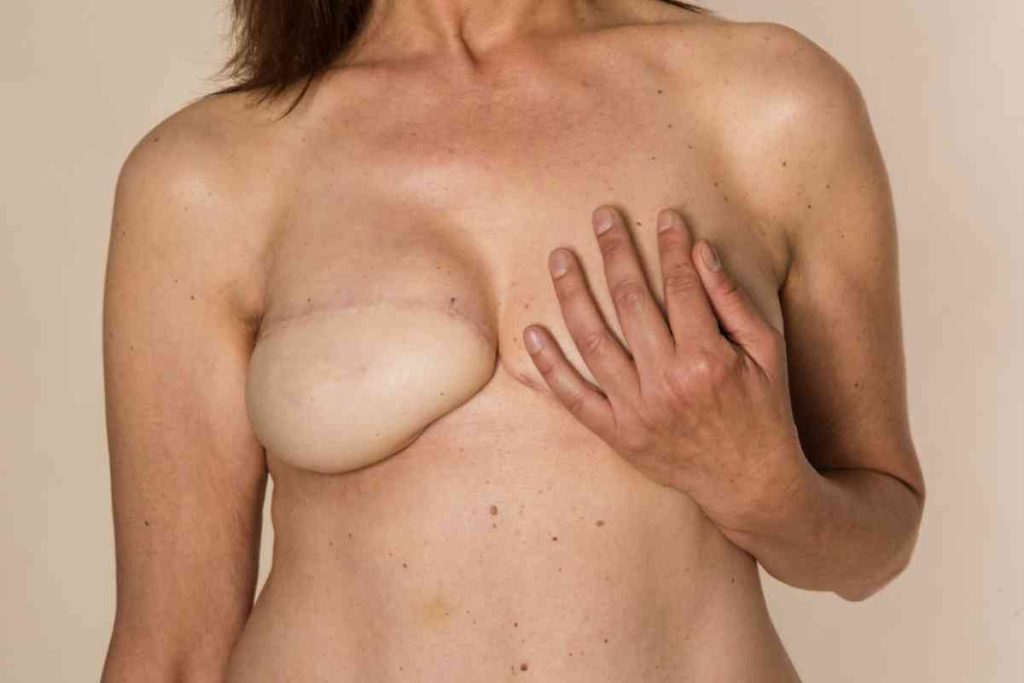
Diagnosis of breast cancer usually starts with good history taking. After the patient has laid out her complaints, the physician probes further to find out the duration of the complaint, and if the patient was exposed to any of the known risk factors for breast cancer.
This is followed by physical examination of the patient‘s breasts. The healthy breast is examined first, before the one with complaint.
The physical examination is commenced with visual inspection of the breast, to ascertain whether there are visual signs of breast cancer, such as peau d’orange, change in size, swelling, dimpling, ulcer, or redness of any portion of the breast.
The breast is then palpated to check for lump or mass. The size, consistency, or attachment of the mass to surrounding tissue is noted, if any.
Specific investigations that will assist in making a diagnosis of breast cancer are;
- Breast Ultrasonography: Ultrasound machine uses sound wave to take pictures of lump or mass in the breast, with the aim of determining what they are.
- Mammography: This is a special type of X-ray of the breast that can detect abnormalities in the breast.
- Magnetic Resonance Imaging (MRI): Magnetic and radio waves are used to produce comprehensive images of the tissues inside the breast. This technology is more advanced than the ultrasound.
- Biopsy: Breast cancer is eventually confirmed by taking a sample of the suspicious material, and performing histological examination.
Prevention of Breast Cancer1,8,9,10,
Generally, breast cancer prevention is grouped into primary, secondary, and tertiary levels.
Primary level prevention
These are steps that can be taken to prevent someone from having breast cancer. It largely involves health promotion activities such as health education and breast cancer prevention awareness activities.
Emphasis is placed on getting individuals adopt healthy lifestyle, and avoid exposure to modifiable risk factors such as unhealthy diet, cigarette smoking, physical inactivity, obesity, long term use of female hormones, and excessive alcohol consumption.
These health promotion activities can be implemented on selected groups, or through the mass media. In some developed countries, some women with significant non-modifiable risk factors may choose to take preventive medication such as estrogen-blocking drugs.
Also, in some of these countries, some women with very high non-modifiable risk factor such as strong genetic predisposition, opt for surgery to remove apparently healthy breasts or ovaries before they probably become cancerous.
Secondary level prevention
This aims at detecting the cancer early, and initiating treatment in order to ensure better prognosis. Specific steps that should be taken to ensure early diagnosis of breast cancer are;
- Breast Self-Examination: It is recommended that every woman 20 years and above should examine her breasts every month. As time goes on she will get more familiar with her breast contours, and able to detect abnormalities. It will be nice if she is initially guided on how to do this by a health care worker. The four quadrants of the breast should always be systematically palpated.
- Clinical breast examination: Women aged 20 to 40 years should have their breasts examined once every three years by properly trained health care worker. This is in addition to their monthly breast self-examination. After the age of 40 years, the examination should be done yearly.
- Routine mammography: Mammography is a special type of X-ray for the breast. The American Cancer Society recommended that every woman gets a baseline mammogram at the age of 35 years, and could commence yearly mammography screening from 40 to 44 years of age. Women aged 45 to 54 years should however undergo yearly mammography screening, while those that are 55 years and above may have the screening test every two years. On the other hand, the United States Preventive Services Task Force (USPSTF) recommends that women, who are at average risk of getting breast cancer and are aged 50 to 74 years, should go for a mammogramme every two years. USPSTF further recommends that women who are 40 to 49 years old should discuss with their doctor or other health care provider, when to commence mammogram screening. Some other organizations made recommendations as to when to commence mammography screening.
Tertiary level prevention
In this level of prevention, efforts are made to limit disability associated with breast cancer disease, and to properly rehabilitate the patient. The patient is counseled and taught how to go on with life without feeling terribly disadvantaged because she is a breast cancer patient.
This tertiary level of prevention also involves palliative care in the form of psychosocial and emotional support. Tremendous efforts are made to reduce as much as possible, physical, emotional, and psychological pain arising from the breast cancer disease.
Treatment of Breast Cancer1,9,10,13,16,17,18

This largely depends on the type and stage of the disease. Treatment of non-invasive carcinoma or an invasive one that is still within the original site, will not be same as treatment of the disease that has spread to other parts of the body.
Outcome of breast cancer treatment is largely determined by the stage at which treatment was initiated. Breast cancer that is discovered early, generally has better prognosis. The various forms of treatment available for breast cancer include;
Surgery
This is the excision of the tumour from the breast. In breast cancer surgery, efforts could be made to conserve part of the breast tissue, while the cancer tumour is removed. This is breast-conserving surgery, and is called lumpectomy.
The second type of surgery involves removal of the whole breast, and is called mastectomy. In many cases, surgery is the first line of treatment for breast cancer. This is usually combined with other forms of treatment.
In advanced stages of the disease where the tumour is now matted with surrounding tissue and surgery is considered not beneficial, the cancer is said to be “inoperable”.
1. Lumpectomy
Involves removal of only the cancerous tumour. Some healthy tissue around the tumour is usually taken out with the cancerous tumour. The excised tumour with the surrounding tissue must be sent for histological examination.
Detection of cancer cell in the surrounding tissue is taken account of in deciding on further treatment steps that will be taken.
2. Mastectomy
This is the removal of the whole breast. The extent to which the cancer has spread, determines the type of mastectomy that will be performed. Types of mastectomy are, total, modified radical, and radical mastectomy.
Total mastectomy is the removal of the whole breast tissue only, without removing the axillary (underarm) lymph nodes, though in some cases, the sentinel lymph node(s) may be removed for histological examination.
Sentinel lymph nodes are those axillary lymph nodes that receive drainage from the affected breast. These can be found by injecting a dye or radioactive tracer behind or around the nipple. In modified radical mastectomy, some suspicious axillary lymph nodes are removed, in addition to the whole breast tissue.
On the other hand, radical mastectomy involves removal of the whole breast tissue, all axillary lymph nodes, and the chest wall (pectoral) muscles. Radical mastectomy is usually performed in situations where the invasive cancer has probably spread to the chest wall muscles.
It was once the standard treatment for breast cancer, but is now rarely performed. Some patients may choose to undergo breast reconstructive surgery after breast cancer surgery. This is usually performed by a Plastic surgeon. Tissue might be taken from other parts of the body, or synthetic material can be used.
Radiation
This form of breast cancer treatment is usually applied after surgery to kill remaining cancer cells. The tumour is targeted with controlled doses of high energy waves, similar to x-rays. This radiation can be applied in various ways as highlighted below.
- External radiation, which is given from a machine outside the body. This is the most common form of radiation therapy for breast cancer. External radiation can also be applied to other parts of the body, such as lymph node where the cancer cells have spread to.
- Internal radiation, also called Brachytherapy is done by inserting the radioactive material source inside the tumour. It is not very common, but can be used in treating tumour that is small in size, and has not spread to other parts of the body.
- Intra-operative radiation therapy is applied during breast cancer surgery, and is given via a probe in the operating theatre. Some see this as a variety of internal radiation.
Chemotherapy
Some medicines when taken orally or through the veins can be used to kill breast cancer cells. Chemotherapy can be administered to reduce the rate of growth of the tumour, and shrink it prior to performing surgery.
It is also used to kill cancer cells that have spread to other parts of the body. Drugs used for cancer treatment are also called cytotoxic drugs. For breast cancer treatment, one cytotoxic medicine may be used or a combination of different cytotoxic drugs.
Chemotherapy is usually given in cycles every two to four weeks. In some cases, complete course of chemotherapy may take up to eight cycles. Many drugs used for chemotherapy are commonly associated with debilitating side effects such as extreme weakness, nausea, loss of appetite, hair loss, and cessation of menstruation.
Hormone therapy
Certain drugs block the activities of estrogen and progesterone hormones that support the growth of breast cancer.
The therapy may be given before or after surgery, but in some cases, it may be the only option for patients who are not suitable for surgery, chemotherapy or radiotherapy. It is only effective for tumours that are positive for estrogen or progesterone receptors.
Immunotherapy therapy
This is also called biological therapy, and is the use of the patient’s immune system to check the spread of cancer cells. It is also useful in controlling the side effects of other medications used for treating the breast cancer. It is commonly applied in combination with chemotherapy.
Targeted therapy
In the treatment of breast cancer, some drugs can target some specific cancer cell characteristics. It could be more useful in situations where the cancer cells have spread to other parts of the body. Targeted therapy limits damage to healthy cells.
Myths and Misconceptions about Breast Cancer19-21
Erroneous beliefs and concepts about breast cancer, have contributed tremendously to unfavourable outcomes recorded in many cases with respect of the disease. Some of these myths and misconceptions are;
1. You cannot have breast cancer if you do not have a family history.
Only about 5 – 10% of breast cancer cases are linked to family history. Majority of breast cancer cases are linked to other risk factors or no risk factor at all.
2. If you maintain a healthy lifestyle, and not exposed to any of the modifiable risk factors such as unhealthy diet, cigarette smoking, excessive alcohol consumption, obesity, and physical inactivity; then you must not have breast cancer.
It is true that avoiding these risk factors reduces ones chances of developing breast cancer. This however does not completely guarantee that the individual must not get breast cancer disease. It is very important that women follow the recommended breast cancer screening guidelines, so that the disease is detected early and better prognosis ensured.
3. Regular wearing of a bra can cause breast cancer.
There is no scientific evidence to support this. In a study conducted among about 1,500 breast cancer women in 2014, no evidence linking their disease to wearing of bra was found.
4. Breast cancer must present with a lump you can feel.
This is not correct. There are other symptoms of breast cancer such as peau d’orange (orange skin) appearance, dimpling, nipple discharge, nipple retraction and so on.
5. All lumps in the breast indicate breast cancer.
Many breast lumps are benign and harmless. Most of them are fibroadenoma, with a few being mere breast cyst. It is however mandatory that all breast lumps are removed and sent for histology
6. Breast cancer does not affect men.
This disease predominantly affects women, but could occasionally affect men. About 1% of breast cancer reported in the United States of America affected men.
7. Breast cancer only occurs in middle-aged and elderly women.
Breast cancer can affect younger women and even men, though it is commoner in women above 50 years of age. It was documented that in the year 2017, 4% of invasive breast cancers were found among women aged 40 years and below.
8. If breast cancer is discovered early, then it never recurs after treatment.
Most people with early stage breast cancer do not suffer recurrence. The risk of recurrence is however not completely off. The disease may even recur in another organ where the disease was not initially discovered to have metastasized to
9. After completing the initially recommended course of breast cancer treatment, then the disease is cured and you do not need to take any further steps.
Treating some stages of cancer such as stage 4 requires lifelong medication. Giving the initial course of treatment certainly does not solve the problem. Continuing psychosocial and physical support is required in many cases.
10. Using underarm antiperspirant can cause breast cancer.
There is currently no evidence to support that the use of underarm antiperspirants or deodorants causes breast cancer.
11. One normal mammography result completely rules out breast cancer.
You could have a false negative mammography result. It is important that women adhere to the guidelines on other breast cancer screening steps such as breast-self examination, and breast clinical examination. Mammography should also be repeated as previously recommended.
12. Trauma to the breast can cause breast cancer.
This has not been scientifically proven. The breast lump caused by breast trauma could be mere haematoma, which usually resolves later. It does not transform to cancer.
13. Breast cancer is better treated with the use of herbal medication, or visiting prayer houses.
This misconception is common in low-income countries where some people believe that this disease can be diabolically inflicted on women, and that the disease could also be a punishment from GOD for some perceived sins. Many breast cancer patients have died in these countries as a result of this misconception.
14. Accepting mastectomy as a treatment option leads to one not having breast in “the next world”.
This again is rife in low-income countries where there is strong belief on reincarnation. Because of this, many delay giving consent for mastectomy until very late stage of the disease, when it is inoperable. Many have also died because of this misconception.
Effects on Sexuality and Fertility22,23,24
1. Sexuality
Breast plays a very vital role in sexual arousal and enjoyment. It is obvious therefore that any serious disease of the breast will adversely affect sexuality.
The extent to which sexuality is affected depends on factors such as the cancer type, the sage, the age of the women, the type of treatment given, and the psychosocial characteristics of the patient. Non-invasive carcinoma-in-situ, treated with only lumpectomy in a woman aged 40 years or below may have very little or no effect in her sexuality.
Patients who are psychologically and emotionally unstable may react more adversely to sexual issues than patients who are psychologically and emotionally stable. The latter group will usually rationalize and accept the reality of living with the sexual challenges resulting from the breast cancer disease.
Surgical treatment such as mastectomy, completely removes all breast tissue thereby depriving the woman and her partner; that natural source of sexual enjoyment. Chemotherapy and other forms of breast cancer treatment could reduce the amount of female hormone estrogen produced by the ovaries.
The resultant effect is that the woman’s libido is reduced, and it becomes difficult for the woman to get aroused and produce vaginal secretions required to make the vagina wet before sexual activity.
Support and counseling are usually helpful in overcoming the sexuality challenges posed by breast cancer disease. Vaginal lubricants can also be used to overcome vaginal dryness.
2. Fertility
Breast cancer treatment invariably may affect the patient’s fertility. In addition to causing decreased production of estrogen hormone, drugs used for treating breast cancer can also lead to none release of eggs by the ovaries.
This is called primary ovarian insufficiency. The patient may also experience delayed or cessation of monthly menstruation. Some may even go into early menopause. None availability of eggs to be fertilized by the male sperm cell means that conception cannot take place.
This primary ovarian insufficiency may be temporal or permanent, depending on the medication used and the duration of treatment.
Breast cancer patients that wish to still get pregnant may take any of the following steps;
- Egg freezing: Harvest eggs from the ovaries, freeze and bank them for future use. An egg can be fertilized externally and inserted into the woman when she is ready to bear a child.
- Embryo banking: Eggs are removed from the ovaries, fertilized with sperm in the laboratory before banking. The embryo can then be implanted into the woman when she desires pregnancy.
- Surrogate mother: preserved egg of the breast cancer patient can be fertilized in the laboratory, and implanted into another healthy woman that carries the pregnancy to term.
These procedures are rarely available in low and middle-income countries.
World Health Organization’s Global Breast Cancer Initiative3,25,26
Breast cancer is a global health problem, but the outcome of managing the disease is better in high-income, than in low/middle-income countries. This is probably because of late diagnosis and inadequate health care facilities in low and middle-income countries.
Five-year survival rate in high income countries are above 90%, while it is 66% in India and 40% in South Africa.
In the year 2021, the World Health Organization embarked upon Global Breast Cancer Initiative, with the aim of bridging the inequalities in global cancer care and improving on the outcomes of breast cancer management globally; and specifically reducing breast cancer by 2.5% annually, which will save 2.5 million lives over a 20 year period. Three key strategies employed to achieve this are;
1. Health Promotion for early detection
This deals with health education and awareness creation activities aimed at adequately informing people about the symptoms of the disease, and encouraging them to adopt healthy lifestyle, so as not to expose them to breast cancer.
The target is to be able to ultimately detect 60% of cases at an early stage (not later than Stage 2).
2. Timely Diagnosis
Emphasis is on proper training of health workers, and equipping health facilities; so that breast cancer patients presenting to health facilities are identified and diagnostic processes completed in good time. The target is to be able to confirm diagnosis of breast cancer within 60 days of presenting to the health facility.
3. Comprehensive Breast Cancer Management
This strategy advocates for the availability of knowledgeable and well-trained health workers, and also availability of facilities; so that highly specialized breast cancer management is offered to patients.
The target is to ensure that at least 80% of breast cancer patients undergo all prescribed treatment modalities and return home.
MESSAGE from Community Positive Health Attitude Initiative
The chances of surviving breast cancer depend a lot on early diagnosis. Most breast cancer cases that are identified early and proper treatment initiated, are curable.
Please ensure that you are conversant with the symptoms, and also keep to the screening guidelines. Promptly report any thing you consider unusual with your breast, to trained health care personnel.
We love you greatly, and your family and friends love you too. Breast cancer death is preventable. Please take steps to stay alive. Do not say “IT IS NOT MY PORTION”. It certainly can be anyone’s portion!
REFERENCES
- Center for Disease Control and Prevention. https://www.cdc.gov/cancer/breast/basic_info/what-is-breast-cancer.htm (Accessed, 29/01/2023)
- Cancer.org. https://www.cancer.org/cancer/breast-cancer/about/what-is-breast-cancer.html (Accessed, 29/01/2023)
- World Health Organization. https://www.who.int/news-room/fact-sheets/detail/breast-cancer(Accessed, 29/01/2023)
- Sung H, Ferlay J, Siegel RL, Laversanne M, Soerjomataram I, Jemal A, et al. Global cancer statistics 2020: GLOBOCAN estimates of incidence and mortality worldwide for 36 cancers in 185 countries. CA Cancer J Clin 2021; 71: 209–49. doi: https://doi.org/10.3322/caac.21660
- Heer E, Harper A, Escandor N, Sung H, McCormack V, Fidler-Benaoudia MM. Global burden and trends in premenopausal and postmenopausal breast cancer: a population-based study. Lancet Glob Health 2020; 8: e1027–37. doi: https://doi.org/10.1016/S2214-109X(20)30215-1
- Sharma, R. Breast cancer incidence, mortality and mortality-to-incidence ratio (MIR) are associated with human development, 1990–2016: Evidence from Global Burden of Disease Study 2016. Breast Cancer 2019, 26, 428–445.
- Obionu CN. Guide to Tropical Public Health and Community Medicine. First Edition, EZU Books Ltd, Enugu, Nigeria, 2018.
- Mayo Clinic. https://www.mayoclinic.org/diseases-conditions/breast-cancer/symptoms-causes/syc-20352470 (Accessed, 29/01/2023)
- Cleveland Clinic. https://my.clevelandclinic.org/health/diseases/3986-breast-cancer (Accessed, 29/01/2023)
- Medical News Today. https://www.medicalnewstoday.com/articles/37136#level-of-pain (Accessed, 29/01/2023)
- Pan American Health Organization. Prevention: Breast Cancer Risk Factors and Prevention. https://www.paho.org/en/documents/prevention-breast-cancer-risk-factors-and-prevention (Accessed, 29/01/2023)
- Kim EY, Chang Y, Ahn J, Yun J, Park YL, Park CH, Shin H, Ryu S. Mammographic breast density, its changes, and breast cancer risk in premenopausal and postmenopausal women. Cancer 2020, 126, 4687–4696
- Cancer.Net. https://www.cancer.net/cancer-types/breast-cancer (Accessed, 26/02/2023)
- https://www.cancerresearchuk.org/about-cancer/breast-cancer/stages-types-grades/types/rare-types-breast-cancer (Accessed, 26/02/2023)
- https://www.cancer.org/cancer/breast-cancer/understanding-a-breast-cancer-diagnosis/stages-of-breast-cancer.html (Accessed, 26/02/2023)
- Webmd. https://www.webmd.com/breast-cancer/breast-cancer-treatment (Accessed, 26/02/2023)
- NHS. https://www.nhs.uk/conditions/breast-cancer/treatment/(Accessed, 26/02/2023)
- Healthline. https://www.healthline.com/health/breast-cancer/radical-mastectomy (Accessed, 26/02/2023)
- Breastcancer.org. https://www.breastcancer.org/facts-statistics (Accessed, 26/02/2023)
- Mission Regional Medical Center. https://missionrmc.org/services/breast-care-center/breast-cancer-myths/ (Accessed, 26/02/2023)
- Medical News Today. https://www.medicalnewstoday.com/articles/medical-myths-15-breast-cancer-misconceptions (Accessed, 26/02/2023)
- https://www.cancer.gov/about-cancer/treatment/side-effects/sexuality-women (Accessed, 05/03/2023)
- https://www.cancer.gov/about-cancer/treatment/side-effects/fertility-women (Accessed, 05/03/2023)
- Lopresti M, Rizack T, Dizon DS. Sexuality, fertility and pregnancy following breast cancer treatment. Gland Surg 2018;7(4):404-410
- World Health Organization. https://www.who.int/initiatives/global-breast-cancer-initiative (Accessed, 05/03/2023)
- World Health Organization. https://www.who.int/publications/m/item/the-global-breast-cancer-initiative-gbci (Accessed, 05/03/2023)


